
The Risks of High Myopia and Why Early Management Matters
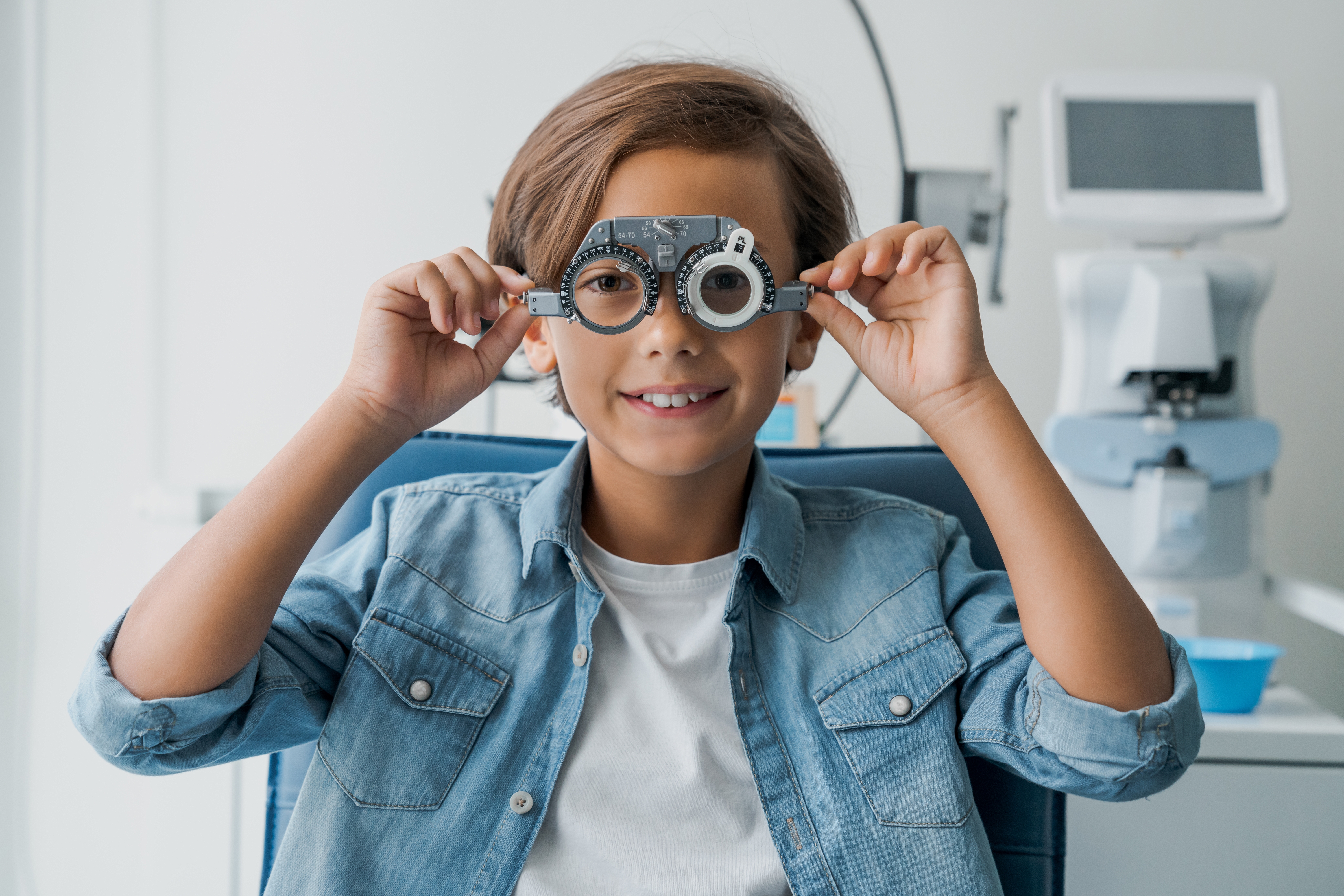
Myopia, often called nearsightedness, causes distant objects to appear blurry while close-up vision remains clearer. For many children, myopia can progress as they grow, especially during school-age years. High myopia means the prescription has become stronger, which can affect more than how clearly a child sees the board at school or road signs later in life.
Early myopia management is important because the goal is not only to update glasses or contact lenses. It is to help slow progression and reduce the long-term risks associated with stronger levels of nearsightedness.
Why High Myopia Can Be a Concern
When myopia progresses, the eye often becomes longer from front to back. This stretching can place stress on the retina and other delicate structures inside the eye. Higher levels of myopia may increase the risk of certain eye health issues over time, including retinal tears, retinal detachment, glaucoma, cataracts, and myopic macular degeneration.
Not every child with myopia will develop these conditions, but the risk becomes more important to monitor as prescriptions get stronger. That is why routine eye exams and early management can make a meaningful difference.
Signs Your Child May Be Becoming More Nearsighted
Children do not always know how to explain changes in their vision. Parents may notice small habits that suggest distance vision is becoming harder. Common signs of myopia can include:
- Squinting to see faraway objects
- Sitting closer to the TV or moving closer to screens
- Trouble seeing the board at school
- Frequent headaches or eye strain
- Holding books or devices very close
- Complaints that distant objects look blurry
If these signs appear, scheduling a comprehensive eye exam can help determine whether myopia is present and whether management may be recommended.
How Early Myopia Management Helps
Myopia management focuses on slowing the progression of nearsightedness during the years when a child’s eyes are still developing. Instead of only correcting blurry vision, these treatments are designed to help manage how quickly the prescription changes.
Depending on the child’s eyes, age, prescription, and lifestyle, myopia management may include specialty contact lenses, orthokeratology, low-dose atropine eye drops, or other treatment options. The right approach should always be personalized after a thorough eye exam.
Starting early is important because myopia often progresses faster in childhood. The sooner progression is addressed, the more opportunity there may be to help protect long-term eye health.
Why Regular Eye Exams Matter
Children with myopia need more than occasional vision checks. Comprehensive eye exams allow the eye doctor to monitor prescription changes, evaluate overall eye health, and look for signs that myopia is progressing. These visits also give parents a clearer understanding of whether their child’s current treatment plan is working or needs to be adjusted.
For children at higher risk, such as those with a family history of myopia or rapidly changing prescriptions, consistent monitoring can be especially helpful.
Supporting Your Child’s Vision For the Future
High myopia can have lifelong effects, but early care can help reduce risk and support healthier vision development. Encouraging outdoor time, balancing screen use, keeping up with routine exams, and following a personalized myopia management plan can all play a role in protecting your child’s eyes.
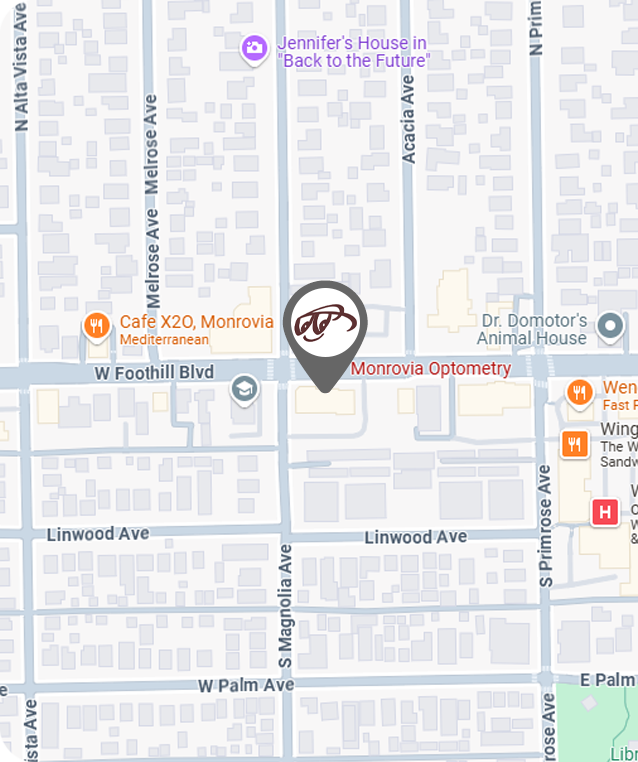
Schedule your child’s myopia management appointment today with Monrovia Optometry in Monrovia, CA by calling (626) 210-3900 and take the first step toward protecting their long-term vision.
Contact Us
Let’s keep in touch!

Office Hours
- Monday Closed
- Tuesday 9:30 AM - 6:00 PM
- Wednesday Closed
- Thursday 11:00 AM - 6:00 PM
- Friday 9:30 AM - 1:30 PM
- Saturday 11:00 AM - 3:00 PM (Every 1st and 3rd Saturday of the month only)
- Sunday Closed
© 2025 Monrovia Optometry | All rights Reserved | Accessibility Statement | Privacy Policy | Sitemap
Powered by:
