
Is My Child a Good Candidate for Ortho-K? What Parents Should Know
If your child is becoming more nearsighted each year, you may be looking for options beyond stronger glasses. Orthokeratology, commonly called Ortho-K, can provide clearer daytime vision while helping slow myopia progression in some children. At Monrovia Optometry, we help families understand how this treatment works and whether it fits their child's eyes and daily routine.
How Does Ortho-K Work for Children?
Ortho-K uses custom-fitted, gas-permeable contact lenses worn only while sleeping. The lenses gently and temporarily reshape the front surface of the eye, allowing many children to see more clearly during the day without glasses or daytime contacts.
Because the effect is temporary, children need to wear their lenses consistently as directed. Ortho-K may also slow the progression of myopia, or nearsightedness, although it does not cure myopia or permanently change a child's prescription. Using Ortho-K to slow myopia progression is an off-label use in the United States.
What Makes a Child a Good Ortho-K Candidate?
There is no single age or prescription that makes Ortho-K appropriate for every child. During an evaluation at our Monrovia office, we consider several factors:
- Nearsightedness: Children with progressing myopia may benefit, particularly when their prescription falls within a range that Ortho-K lenses can correct.
- Eye Health: The corneas and tear film should be healthy enough for overnight contact lens wear.
- Responsibility: Children and parents must be willing to follow cleaning, handling, and nightly wear instructions.
- Family Commitment: Regular follow-up appointments are necessary to assess lens fit, vision, and eye health.
Some children with astigmatism may also qualify. A comprehensive exam is the best way to determine whether the lenses can meet your child's needs.
Why Might Parents Consider Ortho-K?
For active children, freedom from daytime glasses can be especially appealing. Sports, playground activities, and school routines may feel simpler without having to manage frames or daytime contact lenses.
Another important consideration is myopia management. Nearsightedness often progresses during childhood, and higher levels are associated with greater risks of certain eye conditions later in life. Ortho-K is one option that may help slow progression, but results vary and ongoing monitoring remains essential.
What Should Parents Know About Safety and Daily Care?
Overnight contact lens wear requires careful hygiene because improper handling can lead to serious eye infections. Your child should never rinse lenses with tap water or wear them while showering or swimming. Lenses must be cleaned and stored using the products and instructions we recommend.
If your child develops eye pain, redness, unusual light sensitivity, or blurry vision, remove the lenses and contact our office promptly. Wearing Ortho-K successfully also means attending scheduled checkups, even when daytime vision seems clear.
How Do We Determine Whether Ortho-K Is Right for Your Child?
We begin with a comprehensive eye examination, review your child's prescription and eye health, and measure the shape of the cornea for a customized fit. We also discuss your child's habits and whether another myopia management approach might be more suitable.
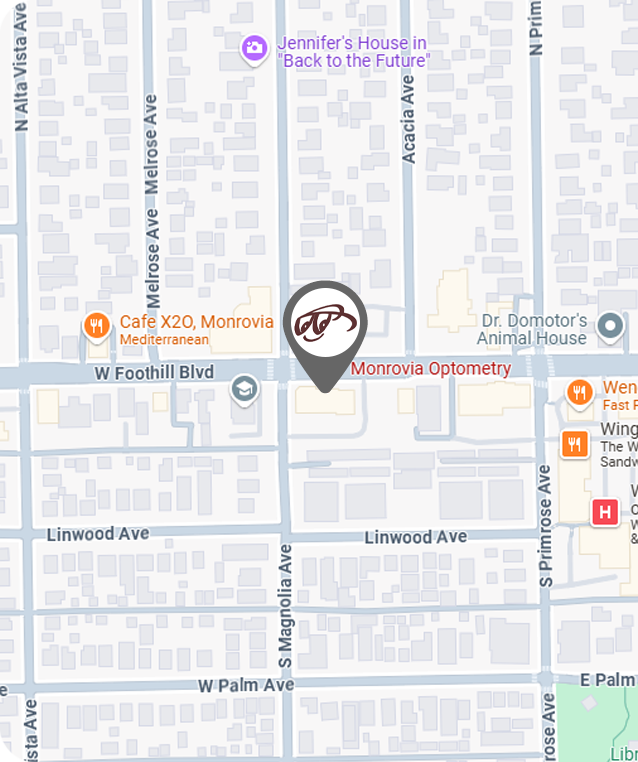
If your child is becoming more nearsighted, schedule an Ortho-K evaluation with Monrovia Optometry in Monrovia, CA, by calling (626) 210-3900.
Contact Us
Let’s keep in touch!

Office Hours
- Monday Closed
- Tuesday 9:30 AM - 6:00 PM
- Wednesday Closed
- Thursday 11:00 AM - 6:00 PM
- Friday 9:30 AM - 1:30 PM
- Saturday 11:00 AM - 3:00 PM (Every 1st and 3rd Saturday of the month only)
- Sunday Closed
© 2026 Monrovia Optometry | All rights Reserved | Accessibility Statement | Privacy Policy | Sitemap
Powered by:
